


Brand Name: Zolfresh ER 6.25
Generic name : Zolpidem Tartrate Prolonged-release Tablets I.P. 6.25 mg
Strength : 6.25mg
Pack Type : Ps
Pack Size : 2 Tablets
For the use of only Registered Medical Practitioners
Zolpidem Tartrate Prolonged-release Tablets I.P. 6.25mg/12.5 mg
Zolfresh® ER 6.25 / 12.5
1. GENERIC NAME
Zolpidem Tartrate Prolonged-release Tablets I.P. 6.25mg
Zolpidem Tartrate Prolonged-release Tablets I.P. 12.5 mg
2. QUALITATIVE AND QUANTITATIVE COMPOSITION
Zolfresh® ER 6.25
Each film coated bilayered prolonged-release tablet contains:
Zolpidem Tartrate I.P. 6.25mg
Excipients q.s.
Colours: Red Oxide of Iron & Titanium Dioxide I.P.
Zolfresh® ER 12.5
Each film coated bilayered prolonged-release tablet contains:
Zolpidem Tartrate I.P. 12.5mg
Excipients q.s.
Colours: Red Oxide of Iron, Indigo Carmine Aluminium Lake & Titanium Dioxide I.P.
3. DOSAGE FORM AND STRENGTH
film coated bilayered prolonged-release Tablets 6.25mg/12.5mg
4. CLINICAL PARTICULARS
4.1 THERAPEUTIC INDICATION
For the treatment of insomnia characterized by difficulties with sleep onset and / or sleep maintenance.
4.2 POSOLOGY AND METHOD OF ADMINISTRATION
- Use the lowest dose effective for the patient and must not exceed a total of 12.5 mg
- Recommended initial dose is a single dose of 25 mg for women, and a single dose of 6.25 or 12.5 mg for men, immediately before bedtime with at least 7-8 hours remaining before the planned time of awakening.
- Geriatric patients and patients with mild to moderate hepatic impairment: Recommended dose is 6.25 mg for men and women
- Lower doses of CNS depressants may be necessary when taken concomitantly with Zolfresh ER.
- Tablets to be swallowed whole, not to be crushed, divided or chewed
- The effect of Zolfresh ER may be slowed if taken with or immediately after a meal
4.3 CONTRAINDICATIONS
- Zolfresh ER is contraindicated in patients with known hypersensitivity to Observed reactions include anaphylaxis and angioedema [see Warnings and Precautions]
- Obstructive sleep
- Myasthenia
- Severe hepatic insufficiency
- Acute and/or severe respiratory <br> In the absence of data, zolpidem should not be prescribed for children or patients with psychotic illness.
4.4 SPECIAL WARNINGS AND PRECAUTIONS FOR USE
A) CNS Depressant Effects and Next-Day Impairment
Zolfresh ER is a central nervous system (CNS) depressant and can impair daytime function in some patients even when used as prescribed. Prescribers should monitor for excess depressant effects, but impairment can occur in the absence of subjective symptoms, and may not be reliably detected by ordinary clinical exam (i.e. less than formal psychomotor testing). While pharmacodynamic tolerance or adaptation to some adverse depressant effects of Zolfresh ER may develop, patients using Zolfresh ER should be cautioned against driving or engaging in other hazardous activities or activities requiring complete mental alertness the day after use.
Additive effects occur with concomitant use of other CNS depressants (e.g. benzodiazepines, opioids, tricyclic antidepressants, alcohol), including daytime use. Downward dose adjustment of Zolfresh ER and concomitant CNS depressants should be considered [see Dosage and Administration].
The use of Zolfresh ER with other sedative-hypnotics (including other Zolfresh ER Products) at bedtime or the middle of the night is not recommended.
The risk of next-day psychomotor impairment is increased if Zolfresh ER is taken with less than a full night of sleep remaining (7 to 8 hours); if higher than the recommended dose is taken; if co- administered with other CNS depressants or alcohol; or co-administered with other drugs that increase the blood levels of zolpidem. Patients should be warned against driving and other activities requiring complete mental alertness if Zolfresh ER is taken in these circumstances [see Dosage and Administration and Clinical Studies].
Vehicle drivers and machine operators should be warned that, as with other hypnotics, there may be a possible risk of adverse reactions including drowsiness, prolonged reaction time, dizziness, sleepiness, blurred/double vision, reduced alertness and impaired driving the morning after therapy. In order to minimize this risk a full night of sleep (7-8 hours) is recommended.
B) Need to Evaluate for Co-morbid Diagnosis
Because sleep disturbances may be the presenting manifestation of a physical and/or psychiatric disorder, symptomatic treatment of insomnia should be initiated only after a careful evaluation of the patient. The failure of insomnia to remit after 7 to 10 days of treatment may indicate the presence of a primary psychiatric and/or medical illness that should be evaluated. Worsening of insomnia or the emergence of new thinking or behavior abnormalities may be the consequence of an unrecognized psychiatric or physical disorder. Such findings have emerged during the course of treatment with sedative/hypnotic drugs, including zolpidem.
C) Severe Anaphylactic and Anaphylactoid Reactions
Cases of angioedema involving the tongue, glottis or larynx have been reported in patients after taking the first or subsequent doses of sedative-hypnotics, including zolpidem. Some patients have had additional symptoms such as dyspnea, throat closing or nausea and vomiting that suggest anaphylaxis. Some patients have required medical therapy in the emergency department. If angioedema involves the throat, glottis or larynx, airway obstruction may occur and be fatal. Patients who develop angioedema after treatment with zolpidem should not be rechallenged with the drug.
D) Abnormal Thinking and Behavioral Changes
Abnormal thinking and behavior changes have been reported in patients treated with sedative/hypnotics, including Zolfresh ER. Some of these changes included decreased inhibition (e.g. aggressiveness and extroversion that seemed out of character), bizarre behavior, agitation and depersonalization. Visual and auditory hallucinations have been reported.
In controlled trials, <1% of adults with insomnia reported hallucinations. In a clinical trial, 7% of pediatric patients treated with Zolpidem 0.25 mg/kg taken at bedtime reported hallucinations versus 0% treated with placebo [see Use in Specific Populations].
Complex behaviors such as “sleep-driving” (i.e., driving while not fully awake after ingestion of a sedative-hypnotic, with amnesia for the event) have been reported in sedative-hypnotic- naive as well as in sedative-hypnotic-experienced persons. Although behaviors such as “sleep- driving” have occurred with Zolfresh ER alone at therapeutic doses, the co-administration of alcohol and other CNS depressants increases the risk of such behaviors, as does the use of Zolfresh ER at doses exceeding the maximum recommended dose. Due to the risk to the patient and the community, discontinuation of Zolfresh ER should be strongly considered for patients who report a “sleep-driving” episode.
Other complex behaviors (e.g., preparing and eating food, making phone calls, or having sex) have been reported in patients who are not fully awake after taking a sedative-hypnotic. As with “sleep-driving”, patients usually do not remember these events. Amnesia, anxiety and other neuro-psychiatric symptoms may also occur.
It can rarely be determined with certainty whether a particular instance of the abnormal behaviors listed above is drug induced, spontaneous in origin, or a result of an underlying psychiatric or physical disorder. Nonetheless, the emergence of any new behavioral sign or symptom of concern requires careful and immediate evaluation.
E) Use in Patients with Depression
In primarily depressed patients treated with sedative-hypnotics, worsening of depression, and suicidal thoughts and actions (including completed suicides), have been reported. Suicidal tendencies may be present in such patients and protective measures may be required. Intentional overdosage is more common in this group of patients; therefore, the lowest number of tablets that is feasible should be prescribed for the patient at any one time.
F) Respiratory Depression
Although studies with 10 mg zolpidem tartrate did not reveal respiratory depressant effects at hypnotic doses in healthy subjects or in patients with mild-to-moderate chronic obstructive pulmonary disease (COPD), a reduction in the Total Arousal Index, together with a reduction in lowest oxygen saturation and increase in the times of oxygen desaturation below 80% and 90%, was observed in patients with mild-to-moderate sleep apnea when treated with zolpidem compared to placebo. Since sedative-hypnotics have the capacity to depress respiratory drive, precautions should be taken if Zolfresh ER is prescribed to patients with compromised respiratory function. Post-marketing reports of respiratory insufficiency in patients receiving 10 mg of zolpidem tartrate, most of whom had pre-existing respiratory impairment, have been reported. The risk of respiratory depression should be considered prior to prescribing Zolfresh ER in patients with respiratory impairment including sleep apnea and myasthenia gravis.
G) Precipitation of Hepatic Encephalopathy
GABA agonists such as zolpidem tartrate have been associated with precipitation of hepatic encephalopathy in patients with hepatic insufficiency. In addition, patients with hepatic insufficiency do not clear zolpidem tartrate as rapidly as patients with normal hepatic function. Avoid Zolfresh ER use in patients with severe hepatic impairment as it may contribute to encephalopathy [see Dosage and Administration, Use in Specific Populations, Clinical Pharmacology].
H) Withdrawal Effects
There have been reports of withdrawal signs and symptoms following the rapid dose decrease or abrupt discontinuation of zolpidem. Monitor patients for tolerance, abuse, and dependence [see Drug Abuse and Dependence].
I) Severe Injuries
Zolpidem can cause drowsiness and a decreased level of consciousness, which may lead to falls and consequently to severe injuries. Severe injuries such as hip fractures and intracranial hemorrhage have been reported.
J) Tolerance:
Some loss of efficacy to the hypnotic effects of short-acting benzodiazepines and benzodiazepine-like agents like zolpidem may develop after repeated use for a few weeks.
K) Dependence:
Use of zolpidem may lead to the development of abuse and/or physical and psychological dependence. The risk of dependence increases with dose and duration of treatment. Cases of dependence have been reported more frequently in patients treated with zolpidem for longer than 4 weeks. The risk of abuse and dependence is also greater in patients with a history of psychiatric disorders and/or alcohol, substance or drug abuse. Zolpidem should be used with extreme caution in patients with current or a history of alcohol, substance or drug abuse or dependence.
Once physical dependence has developed, abrupt termination of treatment will be accompanied by withdrawal symptoms. These may consist of headaches or muscle pain, extreme anxiety and tension, restlessness, confusion and irritability.
In severe cases the following symptoms may occur: derealisation, depersonalisation, hyperacusis, numbness and tingling of the extremities, hypersensitivity to light, noise and physical contact, hallucinations or epileptic seizures.
L) Rebound insomnia:
A transient syndrome whereby the symptoms that led to treatment with a benzodiazepine or benzodiazepine-like agent recur in an enhanced form, may occur on withdrawal of hypnotic treatment. It may be accompanied by other reactions including mood changes, anxiety and restlessness.
It is important that the patient should be aware of the possibility of rebound phenomena, thereby minimizing anxiety over such symptoms should they occur when the medicinal product is discontinued. Since the risk of withdrawal phenomena or rebound has been shown to be greater after abrupt discontinuation of treatment, it is recommended that the dosage is decreased gradually where clinically appropriate.
There are indications that, in the case of benzodiazepines and benzodiazepine-like agents with a short duration of action, withdrawal phenomena can become manifest within the dosage interval, especially when the dosage is high.
M) Amnesia:
Benzodiazepines or benzodiazepine-like agents such as zolpidem may induce anterograde amnesia. The condition occurs most often several hours after ingesting the product and therefore to reduce the risk patients should ensure that they will be able to have an uninterrupted sleep of 8 hours (see section 4.8).
N) Other psychiatric and “paradoxical” reactions:
Other psychiatric and paradoxical reactions like restlessness, exacerbated insomnia, agitation, irritability, aggression, delusion, anger, nightmares, hallucinations, psychosis, abnormal behaviour and other adverse behavioural effects are known to occur when using benzodiazepines or benzodiazepine-like agents. Should this occur, use of the product should be discontinued. These reactions are more likely to occur in the elderly.
4.5 DRUG ABUSE AND DEPENDENCE
Controlled Substance
Zolpidem tartrate is classified as a Schedule IV controlled substance by federal regulation.
Abuse
Abuse and addiction are separate and distinct from physical dependence and tolerance. Abuse is characterized by misuse of the drug for non-medical purposes, often in combination with other psychoactive substances. Tolerance is a state of adaptation in which exposure to a drug induces changes that result in a diminution of one or more of the drug effects over time. Tolerance may occur to both desired and undesired effects of drugs and may develop at different rates for different effects.
Addiction is a primary, chronic, neurobiological disease with genetic, psychosocial, and environmental factors influencing its development and manifestations. It is characterized by behaviors that include one or more of the following: impaired control over drug use, compulsive use, continued use despite harm, and craving. Drug addiction is a treatable disease, using a multidisciplinary approach, but relapse is common. Studies of abuse potential in former drug abusers found that the effects of single doses of zolpidem tartrate 40 mg were similar, but not identical, to diazepam 20 mg, while zolpidem tartrate 10 mg effects were difficult to distinguish from placebo. Because persons with a history of addiction to, or abuse of, drugs or alcohol are at increased risk for misuse, abuse and addiction of zolpidem, they should be monitored carefully when receiving zolpidem or any other hypnotic.
Dependence
Physical dependence is a state of adaptation that is manifested by a specific withdrawal syndrome that can be produced by abrupt cessation, rapid dose reduction, decreasing blood level of the drug, and/or administration of an antagonist. Sedative/hypnotics have produced withdrawal signs and symptoms following abrupt discontinuation. These reported symptoms range from mild dysphoria and insomnia to a withdrawal syndrome that may include abdominal and muscle cramps, vomiting, sweating, tremors, and convulsions. The following adverse events, which are considered to meet the DSMIII-R criteria for uncomplicated sedative/hypnotic withdrawal, were reported during U.S. clinical trials following placebo substitution occurring within 48 hours following last zolpidem treatment: fatigue, nausea, flushing, lightheadedness, uncontrolled crying, emesis, stomach cramps, panic attack, nervousness, and abdominal discomfort. These reported adverse events occurred at an incidence of 1% or less. However, available data cannot provide a reliable estimate of the incidence, if any, of dependence during treatment at recommended doses. Post-marketing reports of abuse, dependence and withdrawal have been received.
4.6 DRUGS INTERACTIONS
A) CNS-active Drugs
Co-administration of zolpidem with other CNS depressants increases the risk of CNS depression. Concomitant use of zolpidem with these drugs may increase drowsiness and psychomotor impairment, including impaired driving ability. [see Warnings and Precautions]. Zolpidem tartrate was evaluated in healthy volunteers in single-dose interaction studies for several CNS drugs.
Imipramine, Chlorpromazine
Imipramine in combination with Zolfresh Produced no pharmacokinetic interaction other than a 20% decrease in peak levels of imipramine, but there was an additive effect of decreased alertness. Similarly, chlorpromazine in combination with Zolfresh ER Produced no pharmacokinetic interaction, but there was an additive effect of decreased alertness and psychomotor performance [see Clinical Pharmacology].
Haloperidol
A study involving haloperidol and zolpidem revealed no effect of haloperidol on the pharmacokinetics or pharmacodynamics of zolpidem. The lack of a drug interaction following single-dose administration does not predict the absence of an effect following chronic administration [see Clinical Pharmacology].
Alcohol
An additive adverse effect on psychomotor performance between alcohol and oral zolpidem was demonstrated [see Warnings and Precautions].
Sertraline Concomitant administration of zolpidem and sertraline increases exposure to zolpidem [see Clinical Pharmacology].
Fluoxetine
After multiple doses of zolpidem tartrate and fluoxetine an increase in the zolpidem half-life (17%) was observed. There was no evidence of an additive effect in psychomotor performance [see Clinical Pharmacology]
B) Drugs that Affect Drug Metabolism via Cytochrome P450
Some compounds known to induce or inhibit CYP3A may affect exposure to zolpidem. The effect of drugs that induce or inhibit other P450 enzymes on the exposure to zolpidem is not known.
CYP3A4 Inducers
Rifampin, a CYP3A4 inducer, significantly reduced the exposure to and the pharmacodynamic effects of zolpidem. Use of CYP3A4 inducers in combination with zolpidem may decrease the efficacy of zolpidem [see Clinical Pharmacology].
CYP3A4 Inhibitors
Ketoconazole, a potent CYP3A4 inhibitor, increased the exposure to and pharmacodynamic effects of zolpidem. Consideration should be given to using a lower dose of zolpidem when a potent CYP3A4 inhibitor and zolpidem are given together [see Clinical Pharmacology]
4.7 USE IN SPECIAL POPULATIONS (SUCH AS PREGNANT WOMEN, LACTATING WOMEN, PAEDIATRIC PATIENTS, GERIATRIC PATIENTS ETC.)
A) Pregnancy
The use of zolpidem is not recommended during pregnancy. Zolpidem crosses the placenta. A large amount of data collected from cohort studies has not demonstrated evidence of the occurrence of malformations following exposure to benzodiazepines during the first trimester of pregnancy. However, in certain epidemiological case-control studies, an increased incidence of cleft lip and palate was observed with benzodiazepines. Cases of reduced fetal movement and fetal heart rate variability have been described after administration of benzodiazepines during the second and/or third trimester of pregnancy. Administration of zolpidem during the late phase of pregnancy, or during labour has been associated with effects on the neonate, such as hypothermia, hypotonia, feeding difficulties (which may result in poor weight gain), and respiratory depression, sometimes severe, due to the pharmacological action of the product. Moreover, infants born to mothers who took sedative/hypnotic agents chronically during the latter stages of pregnancy may have developed physical dependence and may be at some risk of developing withdrawal symptoms in the postnatal period. Appropriate monitoring of the newborn in the postnatal period is recommended. If zolpidem is prescribed to a woman of childbearing potential, she should be warned to contact her physician about stopping the product if she intends to become or suspects that she is pregnant Cases of severe neonatal respiratory depression have been reported when zolpidem was used at the end of pregnancy, especially when taken with other CNS depressants. Children born to mothers taking sedative-hypnotic drugs may be at risk for withdrawal symptoms during the postnatal period. Neonatal flaccidity has also been reported in infants born to mothers who received sedative-hypnotic drugs during pregnancy. Zolfresh ER should be used during pregnancy only if the potential benefit outweighs the potential risk to the fetus.
Administration of zolpidem to pregnant rats and rabbits resulted in adverse effects on offspring development at doses greater than the Zolfresh ER maximum recommended human dose (MRHD) of 12.5 mg/day (approximately 10 mg/day zolpidem base); however, teratogenicity was not observed.
When zolpidem was administered at oral doses of 4, 20, and 100 mg base/kg/day to pregnant rats during the period of organogenesis, dose-related decreases in fetal skull ossification occurred at all but the lowest dose, which is approximately 4 times the MRHD on a mg/m2 basis. In rabbits treated during organogenesis with zolpidem at oral doses of 1, 4, and 16 mg base/kg/day, increased embryo-fetal death and incomplete fetal skeletal ossification occurred at the highest dose. The no-effect dose for embryo-fetal toxicity in rabbits is approximately 8 times the MRHD on a mg/m2 basis. Administration of zolpidem to rats at oral doses of 4, 20, and 100 mg base/kg/day during the latter part of pregnancy and throughout lactation produced decreased offspring growth and survival at all but the lowest dose, which is approximately 4 times the MRHD on a mg/m2 basis.
B) Labor and Delivery
Zolfresh ER has no established use in labor and delivery [see Pregnancy].
C) Nursing Mothers
Zolpidem is excreted in human milk. Small quantities of zolpidem appear in breast milk. The use of zolpidem in nursing mothers is therefore not recommended.
D) Pediatric Use
Zolfresh ER is not recommended for use in children. Safety and effectiveness of zolpidem in pediatric patients below the age of 18 years have not been established.
In an 8-week study in pediatric patients (aged 6-17 years) with insomnia associated with attention-deficit/hyperactivity disorder (ADHD) an oral solution of zolpidem tartrate dosed at 0.25 mg/kg at bedtime did not decrease sleep latency compared to placebo. Psychiatric and nervous system disorders comprised the most frequent (> 5%) treatment emergent adverse reactions observed with zolpidem versus placebo and included dizziness (23.5% vs. 1.5%), headache (12.5% vs. 9.2%), and hallucinations were reported in 7% of the pediatric patients who received zolpidem; none of the pediatric patients who received placebo reported hallucinations [see Warnings and Precautions]. Ten patients on zolpidem (7.4%) discontinued treatment due to an adverse reaction.
FDA has not required pediatric studies of Zolfresh ER in the pediatric population based on these efficacy and safety findings.
E) Geriatric Use
A total of 99 elderly (≥ 65 years of age) received daily doses of 6.25 mg Zolfresh ER in a 3week placebo-controlled study. The adverse reaction profile of Zolfresh ER 6.25 mg in this population was similar to that of Zolfresh ER 12.5 mg in younger adults (≤ 64 years of age). Dizziness was reported in 8% of Zolfresh ER-treated patients compared with 3% of those treated with placebo.
The dose of Zolfresh ER in elderly patients is 6.25 mg to minimize adverse effects related to impaired motor and/or cognitive performance and unusual sensitivity to sedative/hypnotic drugs
[see Warnings and Precautions].
F) Gender Difference in Pharmacokinetics
Women clear zolpidem tartrate from the body at a lower rate than men. Cmax and AUC parameters of zolpidem from Zolfresh ER were, respectively, approximately 50% and 75% higher at the same dose in adult female subjects compared to adult male subjects. Between 6 and 12 hours after dosing, zolpidem concentrations were 2-to 3 fold higher in adult female compared to adult male subjects. Given the higher blood levels of zolpidem tartrate in women compared to men at a given dose, the recommended initial dose of Zolfresh ER for adult women is 6.25 mg, and the recommended dose for adult men is 6.25 or 12.5 mg.
In geriatric patients, clearance of zolpidem is similar in men and women. The recommended dose of Zolfresh ER in geriatric patients is 6.25 mg regardless of gender.
G) Hepatic Impairment
The recommended dose of Zolfresh ER in patients with mild to moderate hepatic impairment is 6.25 mg once daily immediately before bedtime. Avoid Zolfresh ER use in patients with severe hepatic impairment as it may contribute to encephalopathy [see Dosage and Administration, Warnings and Precautions, Clinical Pharmacology].
4.8 EFFECTS ON ABILITY TO DRIVE AND USE MACHINES
Instruct patients and their families that sedative hypnotics can cause abnormal thinking and behavior change, including “sleep driving” and other complex behaviors while not being fully awake (preparing and eating food, making phone calls, or having sex). Tell patients to call you immediately if they develop any of these symptoms.
4.9 UNDESIRABLE EFFECTS (ADVERSE REACTIONS)
The following serious adverse reactions are discussed in greater detail in other sections of the labeling:
• CNS-depressant effects and next-day impairment [see Warnings and Precautions]
• Serious anaphylactic and anaphylactoid reactions [see Warnings and Precautions]
• Abnormal thinking and behavior changes, and complex behaviors [see Warnings and Precautions]
• Withdrawal effects [see Warnings and Precautions]
A) Clinical Trials Experience
Associated with discontinuation of treatment: In 3-week clinical trials in adults and elderly patients (> 65 years), 3.5% (7/201) patients receiving Zolfresh ER 6.25 or 12.5 mg discontinued treatment due to an adverse reaction as compared to 0.9% (2/216) of patients on placebo. The reaction most commonly associated with discontinuation in patients treated with Zolfresh ER was somnolence (1%).
In a 6-month study in adult patients (18-64 years of age), 8.5% (57/669) of patients receiving Zolfresh ER 12.5 mg as compared to 4.6% on placebo (16/349) discontinued treatment due to an adverse reaction. Reactions most commonly associated with discontinuation of Zolfresh ER included anxiety (anxiety, restlessness or agitation) reported in 1.5% (10/669) of patients as compared to 0.3% (1/349) of patients on placebo, and depression (depression, major depression or depressed mood) reported in 1.5% (10/669) of patients as compared to 0.3% (1/349) of patients on placebo.
Data from a clinical study in which selective serotonin reuptake inhibitor-(SSRI-) treated patients were given zolpidem revealed that four of the seven discontinuations during double- blind treatment with zolpidem (n=95) were associated with impaired concentration, continuing or aggravated depression, and manic reaction; one patient treated with placebo (n =97) was discontinued after an attempted suicide.
Most commonly observed adverse reactions in controlled trials: During treatment with Zolfresh ER in adults and elderly at daily doses of 12.5 mg and 6.25 mg, respectively, each for three weeks, the most commonly observed adverse reactions associated with the use of Zolfresh ER were headache, next-day somnolence, and dizziness.
In the 6-month trial evaluating Zolfresh ER 12.5 mg, the adverse reaction profile was consistent with that reported in short-term trials, except for a higher incidence of anxiety (6.3% for Zolfresh ER versus 2.6% for placebo).
Adverse reactions observed at an incidence of ≥1% in controlled trials: The following tables enumerate treatment-emergent adverse reaction frequencies that were observed at an incidence equal to 1% or greater among patients with insomnia who received Zolfresh ER in placebo-controlled trials. Events reported by investigators were classified utilizing the MedDRA dictionary for the purpose of establishing event frequencies. The prescriber should be aware that these figures cannot be used to predict the incidence of side effects in the course of usual medical practice, in which patient characteristics and other factors differ from those that prevailed in these clinical trials. Similarly, the cited frequencies cannot be compared with figures obtained from other clinical investigators involving related drug products and uses, since each group of drug trials is conducted under a different set of conditions. However, the cited figures provide the physician with a basis for estimating the relative contribution of drug and nondrug factors to the incidence of side effects in the population studied.
The following tables were derived from results of two placebo-controlled efficacy trials involving Zolfresh ER. These trials involved patients with primary insomnia who were treated for 3 weeks with Zolfresh ER at doses of 12.5 mg (Table 1) or 6.25 mg (Table 2), respectively. The tables include only adverse reactions occurring at an incidence of at least 1% for Zolfresh ER patients and with an incidence greater than that seen in the placebo patients.
| Table 1. Incidences of Treatment-Emergent Adverse Reactions in a 3-Week Placebo-Controlled Clinical Trial in Adults (percentage of patients reporting) |
||
| Body System/Adverse Reaction * |
ZOLPIDEM ER 12.5 mg (N = 102) |
Placebo (N =110) |
| Infections and infestations | ||
| Influenza | 3 | 0 |
| Gastroenteritis | 1 | 0 |
| Labyrinthitis | 1 | 0 |
| Metabolism and nutrition disorders | ||
| Appetite disorder | 1 | 0 |
| Psychiatric disorders | ||
| Hallucinations ** | 4 | 0 |
| Disorientation | 3 | 2 |
| Anxiety | 2 | 0 |
| Depression | 2 | 0 |
| Psychomotor retardation | 2 | 0 |
| Binge eating | 1 | 0 |
| Depersonalization | 1 | 0 |
| Disinhibition | 1 | 0 |
| Euphoric mood | 1 | 0 |
| Mood swings td> | 1 | 0 |
| Stress symptoms | 1 | 0 |
| Nervous system disorders | ||
| Headache | 19 | 16 |
| Somnolence | 15 | 2 |
| Dizziness | 12 | 5 |
| Memory disorders *** | 3 | 0 |
| Balance disorder | 2 | 0 |
| Disturbance in attention | 2 | 0 |
| Hypoesthesia | 2 | 1 |
| Ataxia | 1 | 0 |
| Paresthesia | 1 | 0 |
| Eye disordersVisual disturbance | ||
| Visual disturbance | 3 | 0 |
| Eye redness | 2 | 1 |
| Vision blurred | 2 | 1 |
| Altered visual depth perception | 1 | 0 |
| Asthenopia | 1 | 0 |
| Ear and labyrinth disordersVertigo | ||
| Vertigo | 2 | 0 |
| Tinnitus | 1 | 0 |
| Respiratory, thoracic and mediastinal disorders |
||
| Throat irritation | 1 | 0 |
| Gastrointestinal disorders | ||
| Nausea | 7 | 4 |
| Constipation | 2 | 0 |
| Abdominal discomfort | 1 | 0 |
| Abdominal tenderness | 1 | 0 |
| Frequent bowel movements | 1 | 0 |
| Gastroesophageal reflux disease | 1 | 0 |
| Vomiting | 1 | |
| Skin and subcutaneous tissue disorders | ||
| Rash | 1 | 0 |
| Skin wrinkling | 1 | 0 |
| Urticaria | 1 | 0 |
| Musculoskeletal and connective tissue disorders |
||
| Back pain | 4 | 3 |
| Myalgia | 4 | 0 |
| Neck pain | 1 | 0 |
| Reproductive system and breast disordersMenorrhagia | ||
| Menorrhagia | 1 | 0 |
| General disorders and administration site conditions | ||
| Fatigue | 3 | 2 |
| Asthenia | 1 | 0 |
| Chest discomfort | 1 | 0 |
| Investigations | ||
| Blood pressure increased | 1 | 0 |
| Body temperature increased | 1 | 0 |
| Injury, poisoning and procedural complications | ||
| Contusion | 1 | 0 |
| Social circumstances | ||
| Exposure to poisonous plant | 1 | 0 |
*Reactions reported by at least 1% of patients treated with Zolfresh ER and at greater frequency than in the placebo group.
**Hallucinations included hallucinations NOS as well as visual and hypnogogic hallucinations. ***Memory disorders include: memory impairment, amnesia, anterograde amnesia.
| Table 2. Incidences of Treatment-Emergent Adverse Reactions in a 3-Week Placebo-Controlled Clinical Trial in Elderly (percentage of patients reporting) |
||
| Body System/Adverse Reaction * | ZOLPIDEM ER6.25 mg (N=99) |
Placebo (N=106) |
| Infections and infestations | ||
| Nasopharyngitis | 6 | 4 |
| Lower respiratory tract infection | 1 | 0 |
| Otitis externa | 1 | 0 |
| Upper respiratory tract infection | 1 | 0 |
| Psychiatric disorders | ||
| Anxiety | 3 | 2 |
| Psychomotor retardation | 2 | 0 |
| Apathy | 1 | 0 |
| Depressed mood | 1 | 0 |
| Nervous system disorders | ||
| Headache | 14 | 11 |
| Dizziness | 8 | 3 |
| Somnolence | 6 | 5 |
| Burning sensation1 | 1 | 0 |
| Dizziness postural | 1 | 0 |
| Memory disorders ** | 1 | 0 |
| Muscle contractions involuntary | 1 | 0 |
| Paresthesia | 1 | 0 |
| Tremor | 1 | 0 |
| Cardiac disorders | ||
| Palpitations | 2 | 0 |
| Respiratory, thoracic and mediastinal disorders |
||
| Dry throat | 1 | 0 |
| Gastrointestinal disorders | ||
| Flatulence | 1 | 0 |
| Vomiting | 1 | 0 |
| Skin and subcutaneous tissue disorders |
||
| Rash | 1 | 0 |
| Urticaria | 1 | 0 |
| Musculoskeletal and connective tissue disorders |
||
| Arthralgia | 2 | 0 |
| Muscle cramp | 2 | 1 |
| Neck pain | 2 | 0 |
| Renal and urinary disorders | ||
| Dysuria | 1 | 0 |
| Reproductive system and breast disorders |
||
| Vulvovaginal dryness | 1 | 0 |
| General disorders and administration site conditions |
||
| Influenza like illness | 1 | 0 |
| Pyrexia | 1 | 0 |
| Injury, poisoning and procedural complications | ||
| Neck injury | 1 | 0 |
*Reactions reported by at least 1% of patients treated with Zolfresh ER and at greater frequency than in the placebo group.
**Memory disorders include: memory impairment, amnesia, anterograde amnesia.
Dose relationship for adverse reactions: There is evidence from dose comparison trials suggesting a dose relationship for many of the adverse reactions associated with zolpidem use, particularly for certain CNS and gastrointestinal adverse events.
Other adverse reactions observed during the premarketing evaluation of Zolfresh ER:
Other treatment-emergent adverse reactions associated with participation in Zolfresh ER studies (those reported at frequencies of <1%) were not different in nature or frequency to those seen in studies with immediate-release zolpidem tartrate, which are listed below.
Adverse Events Observed During the Premarketing Evaluation of Immediate-Release Zolpidem Tartrate:
Immediate-release zolpidem tartrate was administered to 3,660 subjects in clinical trials throughout the U.S., Canada, and Europe. Treatment-emergent adverse events associated with clinical trial participation were recorded by clinical investigators using terminology of their own choosing. To provide a meaningful estimate of the proportion of individuals experiencing treatment-emergent adverse events, similar types of untoward events were grouped into a smaller number of standardized event categories and classified utilizing a modified World Health Organization (WHO) dictionary of preferred terms.
The frequencies presented, therefore, represent the proportions of the 3,660 individuals exposed to zolpidem, at all doses, who experienced an event of the type cited on at least one occasion while receiving zolpidem. All reported treatment-emergent adverse events are included, except those already listed in the table above of adverse events in placebo-controlled studies, those coding terms that are so general as to be uninformative, and those events where a drug cause was remote. It is important to emphasize that, although the events reported did occur during treatment with ZOLPIDEM, they were not necessarily caused by it.
Adverse events are further classified within body system categories and enumerated in order of decreasing frequency using the following definitions: frequent adverse events are defined as those occurring in greater than 1/100 subjects; infrequent adverse events are those occurring in 1/100 to 1/1,000 patients; rare events are those occurring in less than 1/1,000 patients.
Autonomic nervous system: : Frequent: dry mouth. Infrequent: increased sweating, pallor, postural hypotension, syncope. Rare: abnormal accommodation, altered saliva, flushing, glaucoma, hypotension, impotence, increased saliva, tenesmus.
Body as a whole: Frequent: asthenia. Infrequent: chest pain, edema, falling, fever, malaise, trauma. Rare: allergic reaction, allergy aggravated, anaphylactic shock, face edema, hot flashes, increased ESR, pain, restless legs, rigors, tolerance increased, weight decrease.
Cardiovascular system: Infrequent: cerebrovascular disorder, hypertension, tachycardia. Rare: angina pectoris, arrhythmia, arteritis, circulatory failure, extrasystoles, hypertension
aggravated, myocardial infarction, phlebitis, pulmonary embolism, pulmonary edema, varicose veins, ventricular tachycardia.
Central and peripheral nervous system: Frequent: ataxia, confusion, drowsiness, drugged feeling, euphoria, insomnia, lethargy, lightheadedness, vertigo. Infrequent: agitation, decreased cognition, detached, difficulty concentrating, dysarthria, emotional lability, hallucination, hypoesthesia, illusion, leg cramps, migraine, nervousness, paresthesia, sleeping (after daytime dosing), speech disorder, stupor, tremor. Rare: abnormal gait, abnormal thinking, aggressive reaction, apathy, appetite increased, decreased libido, delusion, dementia, depersonalization, dysphasia, feeling strange, hypokinesia, hypotonia, hysteria, intoxicated feeling, manic reaction, neuralgia, neuritis, neuropathy, neurosis, panic attacks, paresis, personality disorder, somnambulism, suicide attempts, tetany, yawning.
Gastrointestinal system: Frequent: diarrhea, dyspepsia, hiccup. Infrequent: anorexia, constipation, dysphagia, flatulence, gastroenteritis. Rare: enteritis, eructation, esophagospasm, gastritis, hemorrhoids, intestinal obstruction, rectal hemorrhage, tooth caries.
Hematologic and lymphatic system: Rare: anemia, hyperhemoglobinemia, leukopenia, lymphadenopathy, macrocytic anemia, purpura, thrombosis.
Immunologic system: : Infrequent: infection. Rare: abscess herpes simplex herpes zoster, otitis externa, otitis media.
Liver and biliary system: Infrequent: abnormal hepatic function, increased SGPT. Rare: bilirubinemia, increased SGOT.
Metabolic and nutritional: Infrequent: hyperglycemia, thirst. Rare: gout, hypercholesteremia, hyperlipidemia, increased alkaline phosphatase, increased BUN, periorbital edema.
Musculoskeletal system: Infrequent: arthritis. Rare: arthrosis, muscle weakness, sciatica, tendinitis.
Reproductive system: Infrequent: menstrual disorder, vaginitis. Rare: breast fibroadenosis, breast neoplasm, breast pain.
Respiratory system: Frequent: sinusitis. Infrequent: bronchitis, coughing, dyspnea. Rare: bronchospasm, respiratory depression, epistaxis, hypoxia, laryngitis, pneumonia.
Skin and appendages: Infrequent: pruritus. Rare: acne, bullous eruption, dermatitis, furunculosis, injection-site inflammation, photosensitivity reaction, urticaria.
Special senses: : Frequent: diplopia, vision abnormal. Infrequent: eye irritation, eye pain, scleritis, taste perversion, tinnitus. Rare: conjunctivitis, corneal ulceration, lacrimation abnormal, parosmia, photopsia.
Urogenital system: Frequent: urinary tract infection. Infrequent: cystitis, urinary incontinence. Rare: acute renal failure, dysuria, micturition frequency, nocturia, polyuria, pyelonephritis, renal pain, urinary retention.
B) Postmarketing Experience
The following adverse reactions have been identified during post-approval use of Zolfresh ER. Because these reactions are reported voluntarily from a population of uncertain size, it is not always possible to reliably estimate their frequency or establish a causal relationship to drug exposure.
Liver and biliary system: acute hepatocellular, cholestatic or mixed liver injury with or without
jaundice (i.e., bilirubin >2x ULN, alkaline phosphatase ≥2x ULN, transaminase ≥5x ULN).
4.10 OVERDOSE
A) Signs and Symptoms
In post-marketing experience of overdose with zolpidem tartrate alone, or in combination with CNS-depressant agents, impairment of consciousness ranging from somnolence to coma, cardiovascular and/or respiratory compromise and fatal outcomes have been reported.
B) Recommended Treatment
General symptomatic and supportive measures should be used along with immediate gastric lavage where appropriate. Intravenous fluids should be administered as needed. Zolpidem’s sedative hypnotic effect was shown to be reduced by flumazenil and therefore may be useful; however, flumazenil administration may contribute to the appearance of neurological symptoms (convulsions). As in all cases of drug overdose, respiration, pulse, blood pressure, and other appropriate signs should be monitored and general supportive measures employed. Hypotension and CNS depression should be monitored and treated by appropriate medical intervention. Sedating drugs should be withheld following zolpidem overdosage, even if excitation occurs. The value of dialysis in the treatment of overdosage has not been determined, although hemodialysis studies in patients with renal failure receiving therapeutic doses have demonstrated that zolpidem is not dialyzable.
As with the management of all overdosage, the possibility of multiple drug ingestion should be considered. The physician may wish to consider contacting a poison control center for up- todate information on the management of hypnotic drug product overdosage.
5. PHARMACOLOGICAL PROPERTIES
5.1 MECHANISM OF ACTION
Zolpidem, the active moiety of zolpidem tartrate, is a hypnotic agent with a chemical structure unrelated to benzodiazepines, barbiturates, or other drugs with known hypnotic properties. It interacts with a GABA-BZ receptor complex and shares some of the pharmacological properties of the benzodiazepines
5.2 PHARMACODYNAMICPROPERTIES
In contrast to the benzodiazepines, which non-selectively bind to and activate all BZ receptor subtypes, zolpidem in vitro binds the BZ1 receptor preferentially with a high affinity ratio of the α1/α5 subunits. This selective binding of zolpidem on the BZ1 receptor is not absolute, but it may explain the relative absence of myorelaxant and anticonvulsant effects in animal studies as well as the preservation of deep sleep (stages 3 and 4) in human studies of zolpidem tartrate at hypnotic doses.
5.3 PHARMACOKINETIC PROPERTIES
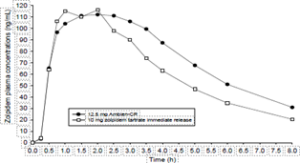
Zolfresh ER exhibits biphasic absorption characteristics, which results in rapid initial absorption from the gastrointestinal tract similar to zolpidem tartrate immediate-release, then provides extended plasma concentrations beyond three hours after administration. A study in 24 healthy male subjects was conducted to compare mean zolpidem plasma concentration-time profiles obtained after single oral administration of Zolfresh ER 12.5 mg and of an immediate-release formulation of zolpidem tartrate (10 mg). The terminal elimination half-life observed with Zolfresh ER (12.5 mg) was similar to that obtained with immediate-release zolpidem tartrate (10 mg). The mean plasma concentration-time profiles are shown in Figure 1.
Figure 1: Mean plasma concentration-time profiles for Zolfresh ER (12.5 mg) and
immediate-release zolpidem tartrate (10 mg)
In adult and elderly patients treated with Zolfresh ER, there was no evidence of accumulation after repeated once-daily dosing for up to two weeks.
Absorption:
Following administration of Zolfresh ER, administered as a single 12.5 mg dose in healthy male adult subjects, the mean peak concentration (Cmax) of zolpidem was 134 ng/mL (range:
68.9 to 197 ng/ml) occurring at a median time (Tmax) of 1.5 hours. The mean AUC of zolpidem was 740 ng·hr/mL (range: 295 to 1359 ng·hr/mL).
A food-effect study in 45 healthy subjects compared the pharmacokinetics of Zolfresh ER 12.5 mg when administered while fasting or within 30 minutes after a meal. Results demonstrated that with food, mean AUC and Cmax were decreased by 23% and 30%, respectively, while median Tmax was increased from 2 hours to 4 hours. The half-life was not changed. These results suggest that, for faster sleep onset, Zolfresh ER should not be administered with or immediately after a meal.
Distribution:
Total protein binding was found to be 92.5 ± 0.1% and remained constant, independent of concentration between 40 and 790 ng/mL.
Metabolism:
Zolpidem is converted to inactive metabolites that are eliminated primarily by renal excretion.
Elimination:
When Zolfresh ER was administered as a single 12.5 mg dose in healthy male adult subjects, the mean zolpidem elimination half-life was 2.8 hours (range: 1.62 to 4.05 hr).
Special Populations
Elderly:
In 24 elderly (≥ 65 years) healthy subjects administered a single 6.25 mg dose of Zolfresh ER, the mean peak concentration (Cmax) of zolpidem was 70.6 (range: 35.0 to 161) ng/mL occurring at a median time (Tmax) of 2.0 hours. The mean AUC of zolpidem was 413 ng·hr/mL (range: 124 to 1190 ng·hr/mL) and the mean elimination half-life was 2.9 hours (range: 1.59 to 5.50 hours).
Hepatic Impairment:
Zolfresh ER was not studied in patients with hepatic impairment. The pharmacokinetics of an immediate-release formulation of zolpidem tartrate in eight patients with chronic hepatic insufficiency were compared to results in healthy subjects. Following a single 20-mg oral zolpidem tartrate dose, mean Cmax and AUC were found to be two times (250 vs. 499 ng/mL) and five times (788 vs. 4,203 ng·hr/mL) higher, respectively, in hepatically compromised patients. Tmax did not change. The mean half-life in cirrhotic patients of 9.9 hr (range: 4.1 to 25.8 hr) was greater than that observed in normal subjects of 2.2 hr (range: 1.6 to 2.4 hr) [see Dosage and Administration, Warnings and Precautions, Use in Specific Populations]
Renal Impairment:
Zolfresh ER was not studied in patients with renal impairment. The pharmacokinetics of an immediate-release formulation of zolpidem tartrate were studied in 11 patients with end- stage renal failure (mean ClCr = 6.5 ± 1.5 mL/min) undergoing hemodialysis three times a week, who were dosed with zolpidem tartrate 10 mg orally each day for 14 or 21 days. No statistically significant differences were observed for Cmax, Tmax, half-life, and AUC between the first and last day of drug administration when baseline concentration adjustments were made. Zolpidem was not hemodialyzable. No accumulation of unchanged drug appeared after 14 or 21 days. Zolpidem pharmacokinetics were not significantly different in renally- impaired patients. No dosage adjustment is necessary in patients with compromised renal function.
Drug Interactions
CNS-depressants
Co-administration of zolpidem with other CNS depressants increases the risk of CNS depression [see Warnings and Precautions]. Zolpidem tartrate was evaluated in healthy volunteers in single-dose interaction studies for several CNS drugs. Imipramine in combination with Zolfresh ERoduced no pharmacokinetic interaction other than a 20% decrease in peak levels of imipramine, but there was an additive effect of decreased alertness. Similarly, chlorpromazine in combination with Zolfresh ERoduced no pharmacokinetic interaction, but there was an additive effect of decreased alertness and psychomotor performance.
A study involving haloperidol and zolpidem revealed no effect of haloperidol on the pharmacokinetics or pharmacodynamics of zolpidem. The lack of a drug interaction following single-dose administration does not predict the absence of an effect following chronic administration.
An additive adverse effect on psychomotor performance between alcohol and oral zolpidem was demonstrated [see Warnings and Precautions].
Following five consecutive nightly doses at bedtime of oral zolpidem tartrate 10 mg in the presence of sertraline 50 mg (17 consecutive daily doses, at 7:00 am, in healthy female volunteers), zolpidem Cmax was significantly higher (43%) and Tmax was significantly decreased (-53%). Pharmacokinetics of sertraline and N-desmethylsertraline were unaffected by zolpidem.
A single-dose interaction study with zolpidem tartrate 10 mg and fluoxetine 20 mg at steady- state levels in male volunteers did not demonstrate any clinically significant pharmacokinetic or pharmacodynamic interactions. When multiple doses of zolpidem and fluoxetine were given at steady state and the concentrations evaluated in healthy females, an increase in the zolpidem half-life (17%) was observed. There was no evidence of an additive effect in psychomotor performance.
Drugs that Affect Drug Metabolism via Cytochrome P450
Some compounds known to inhibit CYP3A may increase exposure to zolpidem. The effect of inhibitors of other P450 enzymes on the pharmacokinetics of zolpidem is unknown.A single-dose interaction study with zolpidem tartrate 10 mg and itraconazole 200 mg at steady-state levels in male volunteers resulted in a 34% increase in AUC0-∞of zolpidem tartrate. There were no pharmacodynamic effects of zolpidem detected on subjective drowsiness, postural sway, or psychomotor performance.
A single-dose interaction study with zolpidem tartrate 10 mg and rifampin 600 mg at steady- state levels in female subjects showed significant reductions of the AUC (-73%), Cmax (- 58%), and T1/2 (-36 %) of zolpidem together with significant reductions in the pharmacodynamic effects of zolpidem tartrate. Rifampin, a CYP3A4 inducer, significantly reduced the exposure to and the pharmacodynamic effects of zolpidem [see Drug Interactions (7.2)].
A single-dose interaction study with zolpidem tartrate 5 mg and ketoconazole, a potent CYP3A4 inhibitor, given as 200 mg twice daily for 2 days increased Cmax of zolpidem (30%) and the total AUC of zolpidem (70%) compared to zolpidem alone and prolonged the elimination half-life
(30 %) along with an increase in the pharmacodynamic effects of zolpidem [see Drug Interactions].
Additionally, fluvoxamine (a strong inhibitor of CYP1A2 and a weak inhibitor of CYP3A4 and CYP2C9) and ciprofloxacin (a strong inhibitor of CYP1A2 and a moderate inhibitor of CYP3A4) are also likely to inhibit zolpidem’s metabolic pathways, potentially leading to an increase in zolpidem exposure.
Other Drugs with No Interactions with Zolpidem
A study involving cimetidine/zolpidem tartrate and ranitidine/zolpidem tartrate combinations revealed no effect of either drug on the pharmacokinetics or pharmacodynamics of zolpidem. Zolpidem tartrate had no effect on digoxin pharmacokinetics and did not affect prothrombin time when given with warfarin in healthy subjects
Bioavailability and Bioequivalence study data
An open-label, balanced, randomized, two treatment, two sequence, two period, two way cross-over, single oral dose bioequivalence study of Zolpidem Tartrate Prolonged Release Tablets I.P. 12.5 mg of Abbott India Ltd., India and AMBIEN CR® (ZOLPIDEM TARTRATE EXTENDED-RELEASE) 12.5 mg tablets of Sanofi-Aventis U.S. LLC was conducted in normal, healthy, adult, human subjects under fasting condition.
Pharmacokinetics:
In the study, the Pharmacokinetic profile after single dose of test product showed a mean Tmax (hr) at 1.506 (0.262-4.510) while the mean Cmax (pg/ml) was 226.86 ± 74.98 and AUC 0-t (hr.ng/mL) was found to be 1541.94 ± 829.18. The t1/2 (hr) of the test product was found to be 5.154 ± 1.936 in the study. Based on the pharmacokinetic parameters observed both test & reference formulations were found to be comparable.
Bioequivalence Conclusions
The 90% confidence intervals for the ratio (test/reference) of geometric least square means based on Ln-transformed primary PK parameters Cmax and AUC0-t were found within the acceptable BE limits of 80.00% to 125.00% for Zolpidem.
The results of the study demonstrated that the test product Zolpidem Tartrate Prolonged Release Tablets I.P. 12.5 mg, was bioequivalent to the reference product AMBIEN CR® (ZOLPIDEM TARTRATE) EXTENDED-RELEASE 12.5 mg Tablets under fasting condition.
Safety:
There were no clinically significant findings in the vital signs assessment, ECG recording or the laboratory tests in any of the patients in the study. Both the test product and the reference product were well tolerated during the study
6 NONCLINICAL PROPERTIES
6.1 ANIMAL TOXICOLOGY OR PHARMACOLOGY
Carcinogenesis: Zolpidem was administered to mice and rats for 2 years at oral doses of 4, 18, and 80 mg base/kg. In mice, these doses are approximately 2, 9, and 40 times the maximum recommended human dose (MRHD) of 12.5 mg/day (10 mg zolpidem base) on mg/m2 basis. In rats, these doses are approximately 4, 18, and 80 times the MRHD on a mg/m2 basis. No evidence of carcinogenic potential was observed in mice. In rats, renal tumors (lipoma, liposarcoma) were seen at the mid- and high doses.
Mutagenesis: Zolpidem was negative in in vitro (bacterial reverse mutation, mouse lymphoma, and chromosomal aberration) and in vivo (mouse micronucleus) genetic toxicology assays.
Impairment of fertility: Oral administration of zolpidem (doses of 4, 20, and 100 mg base/kg/day) to rats prior to and during mating, and continuing in females through postpartum day 25, resulted in irregular estrus cycles and prolonged precoital intervals at the highest dose tested. The no-effect dose for these findings is approximately 20 times the MRHD on a mg/m2 basis. There was no impairment of fertility at any dose tested.
7 DESCRIPTION
Zolfresh® ER 6.25 – Light pink to pink colored, round shaped tablets plain on both the side.
Zolfresh® ER 12.5 – Light blue to blue colored round shaped tablets plain on both sides.
8 PHARMACEUTICAL PARTICULARS
8.1 INCOMPATIBILITIES
Not known
8.2 SHELF-LIFE
Refer pack
8.3 PACKAGING INFORMATION
Blister of 15 tablets
8.4 STORAGE AND HANDING INSTRUCTIONS
Store protected from light and moisture, at a temperature not exceeding 30°C.
Medicine: Keep out of reach of children.
Important: Do not crush or chew the tablet. Take whole tablet with water.
9 PATIENT COUNSELLING INFORMATION
Read the Medication Guide that comes with Zolfresh ER before you start taking it and each time you get a refill. There may be new information. This Medication Guide does not take the place of talking to your healthcare provider about your medical condition or treatment.
What is the most important information I should know about Zolfresh ER?
• Do not take more Zolfresh ER than prescribed.
• Do not take Zolfresh ER unless you are able to stay in bed a full night (7 to 8 hours) before you must be active again.
• Take Zolfresh ER right before you get in bed, not sooner.
Zolfresh ER may cause serious side effects that you may not know are happening to you. These side effects include:
• sleepiness during the day
• not thinking clearly
• act strangely, confused, or upset
• “sleep-walking” or doing other activities when you are asleep like:
o eating
o talking
o having sex
o driving a car
Call your healthcare provider right away if you find out that you have done any of the above activities after taking Zolfresh ER.
You should not drive a car or do things that require clear thinking the day after you take Zolfresh ER.
Do not take Zolfresh ER if you:
• drank alcohol that evening or before bed
• take other medicines that can make you sleepy. Taking Zolfresh ER with other drugs can cause side effects. Talk to your healthcare provider about all of your medicines. Your healthcare provider will tell you if you can take Zolfresh ER with your other medicines.
• cannot get a full night’s sleep
What is Zolfresh ER?
Zolfresh ER is a sedative-hypnotic (sleep) medicine. Zolfresh ER is used in adults for the treatment of a sleep problem called insomnia. Symptoms of insomnia include:
• trouble falling asleep
• waking up often during the night
It is not known if Zolfresh ER is safe and effective in children under the age of 18 years.
Zolfresh ER is a federally controlled substance because it can be abused or lead to dependence. Keep Zolfresh ER in a safe place to prevent misuse and abuse. Selling or giving away Zolfresh ER may harm others, and is against the law. Tell your healthcare provider if you have ever abused or have been dependent on alcohol, prescription medicines or street drugs.
Who should not take Zolfresh ER?
• Do not take Zolfresh ER if you are allergic to zolpidem or any other ingredients in Zolfresh ER. See the end of this Medication Guide for a complete list of ingredients in Zolfresh ER.
• Do not take Zolfresh ER if you have had an allergic reaction to drugs containing zolpidem.
Symptoms of a serious allergic reaction to zolpidem can include: swelling of your face, lips, and throat that may cause difficulty breathing or swallowing
What should I tell my healthcare provider before taking Zolfresh ER?
Zolfresh ER may not be right for you. Before starting Zolfresh ER, tell your healthcare provider about all of your health conditions, including if you:
• have a history of depression, mental illness, or suicidal thoughts
• have a history of drug or alcohol abuse or addiction
• have kidney or liver disease
• have a lung disease or breathing problems
• are pregnant, planning to become pregnant. It is not known if Zolfresh ER will harm your unborn baby.
• are breastfeeding or plan to breastfeed. Zolfresh ER can pass into your breast milk. It is not
• known if Zolfresh ER will harm your baby. Talk to your healthcare provider about the best way
• to feed your baby while you take Zolfresh ER.
Tell your healthcare provider about all of the medicines you take, including prescription and nonprescription medicines, vitamins and herbal supplements.
Medicines can interact with each other, sometimes causing serious side effects. Do not take Zolfresh ER with other medicines that can make you sleepy unless your healthcare provider tells you to.
Know the medicines you take. Keep a list of your medicines with you to show your healthcare provider and pharmacist each time you get a new medicine.
How should I take Zolfresh ER?
• Take Zolfresh ER exactly as prescribed. Only take 1 Zolfresh ER tablet a night if needed.
• Do not take Zolfresh ER if you drank alcohol that evening or before bed.
• You should not take Zolfresh ER with or right after a meal. Zolfresh ER may help you fall asleep faster if you take it on an empty stomach.
• Take Zolfresh ER Tablets whole. Do not break, crush, dissolve or chew Zolfresh ER tablets before swallowing. If you cannot swallow Zolfresh ER tablets whole, tell your healthcare provider. You may need a different medicine.
• Call your healthcare provider if your insomnia worsens or is not better within 7 to 10 days. This may mean that there is another condition causing your sleep problems. If you take too much Zolfresh ER or overdose, get emergency treatment.
What are the possible side effects of Zolfresh ER?
Zolfresh ER may cause serious side effects including:
• getting out of bed while not being fully awake and doing an activity that you do not know you are doing.
• abnormal thoughts and behavior. Symptoms include more outgoing or aggressive behavior than normal, confusion, agitation, hallucinations, worsening of depression, and suicidal thoughts or actions.
• memory loss
• anxiety
• severe allergic reactions. Symptoms include swelling of the tongue or throat, trouble breathing, and nausea and vomiting. Get emergency medical help if you get these symptoms after taking Zolfresh ER.
• falls, which may lead to severe injuries
Call your healthcare provider right away if you have any of the above side effects or any other side effects that worry you while using Zolfresh ER.
The most common side effects of Zolfresh ER are:
• headache
• sleepiness
• dizziness
• drowsiness the next day after you take Zolfresh ER
you stop taking a sleep medicine, you may have symptoms for 1 to 2 days such as:
• trouble sleeping
• nausea
• flushing
• lightheadedness
• uncontrolled crying
• vomiting
• stomach cramps
• panic attack
• nervousness
• stomach area pain
These are not all the side effects of Zolfresh ER. Ask your healthcare provider or pharmacist for more information.
Call your healthcare provider for medical advice about side effects. You may report side effects to webmasterindia@abbott.com.
10 DETAILS OF MANUFACTURER
Manufactured by:
Abbott India Limited
At; 26A, 27-30, Sector-8A, IIE, SIDCUL, Ranipur,
Haridwar-249 403, Uttarakhand, India
® Regd. Trade Mark of Abbott GMBH
11. Details of permission or licence number
Mfg. License No. 15/UA/LL/2015, dated 06/10/2023
12. DATE OF REVISION
Version 2.0 dated 06/10/2023
For Product Complaints/Adverse events or Queries please write to webmasterindia@abbott.com


©2025 Abbott, All Rights Reserved.
Unless otherwise specified, all product and service names appearing in this Internet site are trademarks owned by or licensed to Abbott, its subsidiaries or affiliates. No use of any Abbott trademark, trade name, or trade dress in this site may be made without the prior written authorization of Abbott, except to identify the product or services of the company.